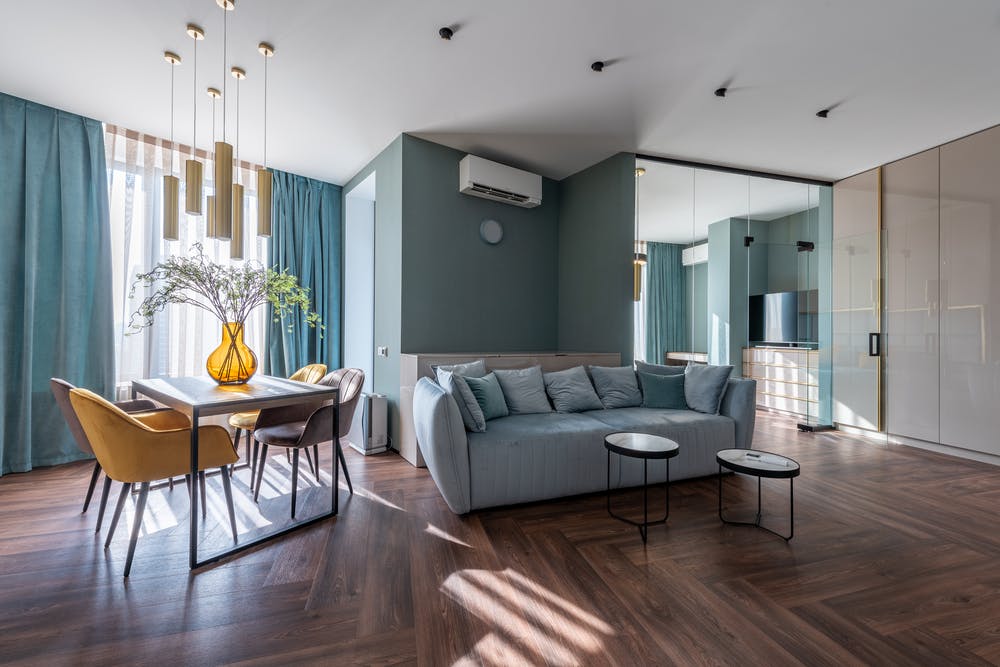
The Benefits of Transitioning from Long-Term Renting to Renting for Months/Seasons in Real Estate
The Benefits of Transitioning from Long-Term Renting to Renting for Months/Seasons in Real Estate
Introduction
In recent years, the real estate landscape has witnessed a growing trend of individuals and families transitioning from traditional long-term renting to opting for shorter-term rentals, whether it be for a few months or a full season. This shift in housing preferences is driven by several factors, including flexibility, cost-effectiveness, and a desire for a change in lifestyle. In this blog post, we will explore the numerous benefits of moving from long-term renting to renting for months or seasons in real estate.
1- Flexibility
One of the primary advantages of short-term renting is the increased flexibility it offers. Long-term leases often require tenants to commit to a specific time period, typically a year or more. However, by opting for shorter rental durations, individuals have the freedom to explore different locations, experience new neighbourhoods, or even try out different cities or countries without being tied down to a long-term commitment. This flexibility allows for a more dynamic and adaptable lifestyle, catering to the needs of the modern renter.
2- Change of Scenery
Renting for months or seasons allows individuals to experience a change of scenery, which can be particularly appealing to those who enjoy variety or are seeking a temporary escape from their routine. Whether you’re looking to spend a summer by the beach or a winter in a picturesque mountain town, short-term rentals provide the opportunity to immerse yourself in different environments and explore diverse communities, all while enjoying the comforts of a home away from home.
3- Cost-Effectiveness
Contrary to popular belief, short-term rentals can often be more cost-effective compared to long-term leases. While the monthly rental rates may appear higher, it’s crucial to consider the overall expenses associated with long-term renting, such as security deposits, utilities, maintenance costs, and even furnishings. Many short-term rental options come fully furnished and include utilities and other amenities in the rental price, eliminating the need for additional expenditures. Moreover, the ability to negotiate shorter lease terms allows individuals to align their housing expenses with their current financial situation.
4- Reduced Commitment
Renting for months or seasons allows tenants to avoid the long-term commitment that comes with traditional leases. Life circumstances can change rapidly, and having the flexibility to adjust housing arrangements accordingly can be a significant advantage. Whether you’re planning to relocate for work, considering purchasing a property, or simply uncertain about your future plans, short-term rentals provide the freedom to make decisions without the burden of an extended lease agreement.
5- Convenience and Amenities
Many short-term rentals are designed to cater to the needs of tenants who desire convenience and a wide range of amenities. Whether it’s fully equipped kitchens, in-unit laundry facilities, access to fitness centers, or even pet-friendly accommodations, short-term rentals often offer the comforts and conveniences of a home, allowing tenants to settle in quickly and enjoy a hassle-free living experience.
Conclusion
The benefits of transitioning from long-term renting to renting for months or seasons in real estate are undeniable. Flexibility, cost-effectiveness, the opportunity for change, reduced commitment, and convenient amenities make short-term rentals an attractive option for individuals and families seeking a more adaptable and fulfilling lifestyle. As the real estate market continues to evolve, these alternative rental arrangements provide a modern solution that aligns with the needs and preferences of today’s renters.

 Secondly, buying a renovating apartment gives you the opportunity to customize and renovate the property according to your taste and needs. You can work with professionals to create a personalized and unique space that meets your needs and preferences. Additionally, renovation can reduce long-term maintenance and repair costs, as you are able to replace faulty or outdated appliances and materials with modern and more durable ones.
 Another advantage of investing in a renovating apartment is the potential for significant appreciation. If you successfully renovate the property, you can increase its value and make a significant profit by reselling it or renting it out at a higher price. Moreover, the demand for renovated apartments is often higher than for non-renovated properties, which means that you can find tenants more quickly and at higher prices.
 Of course, there are also risks associated with investing in a renovating apartment. Renovation costs can exceed estimates and timelines can be longer than expected, which can impact your finances and return on investment. Therefore, it is important to conduct thorough research before investing and to work with qualified professionals to ensure that you have an accurate estimate of costs and timelines.
 It’s also home to some of the best restaurants, bars, and shops in the city, making it a great place to live if you’re looking for a lively and diverse community.
 This area is known for its beautiful tree-lined streets, impressive architecture, and high-end shops and restaurants. It’s also home to some of the city’s most iconic landmarks, including the Sagrada Familia and the Casa Batllo.